

Why Communication is the Cornerstone of Remote Work Success
20 January 2025
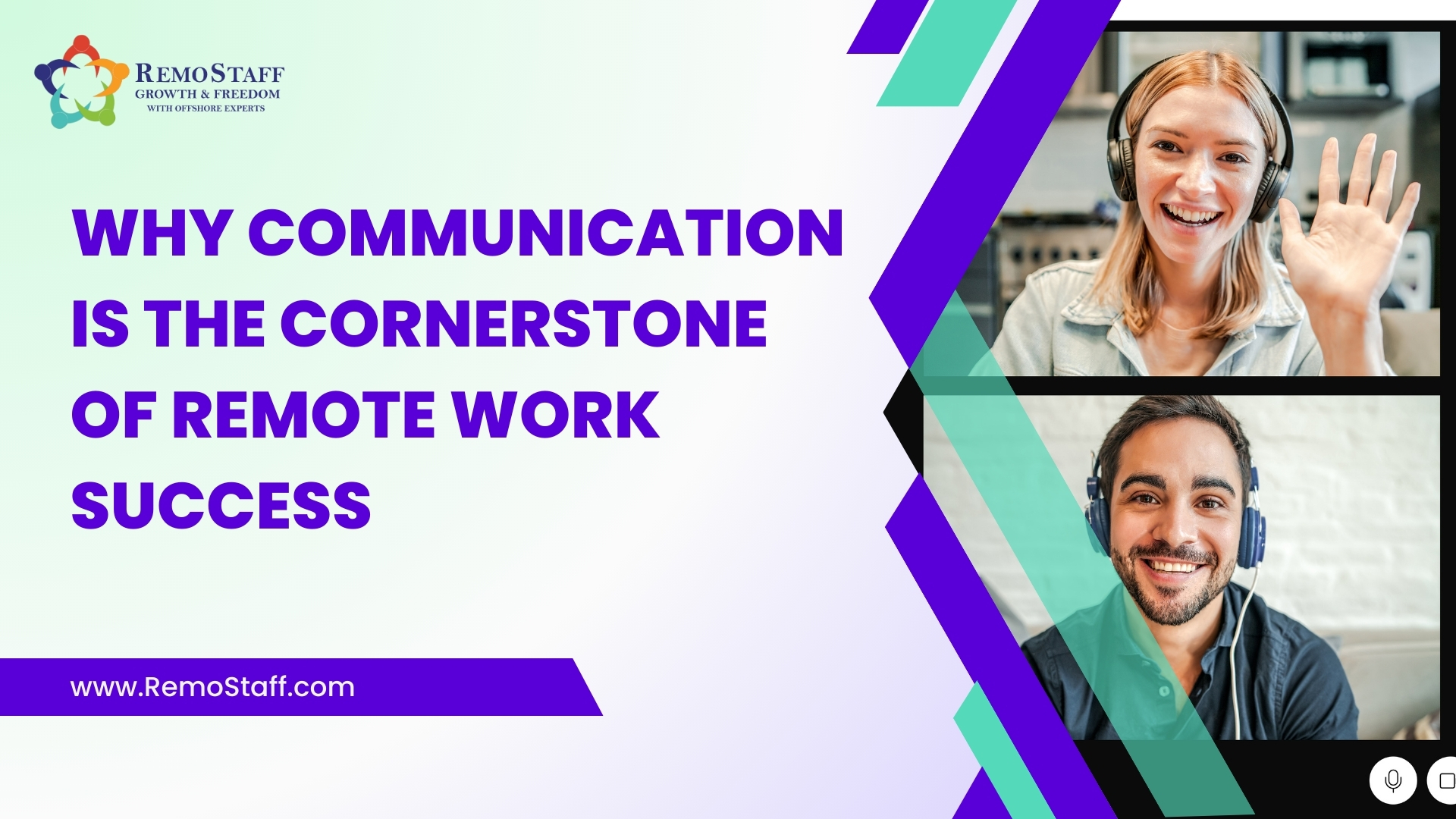
Remote work offers flexibility, autonomy, and global opportunities, but it also presents unique challenges—chief among them being communication. Without clear and consistent communication, remote teams can face misunderstandings, low morale, and decreased productivity. Effective communication isn't just a tool; it's the backbone of remote success.
The Importance of Communication in Remote Work
In a remote setting, team members rely on digital interactions to collaborate, build relationships, and achieve goals. Strong communication helps:
- Foster Collaboration: Clear communication ensures everyone is on the same page, reducing misunderstandings and streamlining teamwork.
- Boost Productivity: When team members know their roles and expectations, they can work efficiently without confusion or constant follow-ups.
- Enhance Trust and Engagement: Transparent and frequent communication builds a culture of trust and keeps employees engaged.
- Prevent Misunderstandings: Remote work often lacks non-verbal cues, making it crucial to articulate thoughts clearly to avoid misinterpretation.
Tools for Effective Remote Communication
Leveraging the right communication tools can make remote work seamless and efficient. Here are five essential tools that every remote team should consider:
- Slack - Ideal for real-time messaging and team collaboration.
- Zoom - Perfect for video conferencing, ensuring face-to-face interactions.
- Asana - Helps teams stay organized and track progress on projects.
- Trello - Great for visual task management and workflows.
- Google Drive - Essential for document collaboration and file sharing.
Best Practices for Remote Communication
Using the right tools is just the first step. Implementing best communication practices is key to long-term success. Consider these strategies:
1. Set Clear Expectations
Establish guidelines for response times, availability, and preferred communication channels to avoid confusion.
2. Emphasize Regular Check-Ins
Schedule weekly or bi-weekly team meetings to provide updates, align goals, and address any concerns.
3. Encourage Over-Communication
In a remote setting, it’s better to provide too much information than too little. Encourage team members to clarify and confirm understanding.
4. Use Video Calls for Important Conversations
Video calls help build stronger relationships and ensure tone and intent are accurately conveyed.
5. Foster a Culture of Openness
Encourage team members to share feedback, voice concerns, and participate actively in discussions.
Conclusion
Effective communication is the secret ingredient to remote work success. By using the right tools and implementing best practices, remote teams can overcome communication barriers, foster collaboration, and achieve their goals seamlessly.


Business Process Outsourcing is a great way to cut down costs and improve productivity.


General and Admin VAs
[+][-]Digital Marketing & Other
[+][-]CSR and Reception VAs
[+][-]Industry Focused VAs
[+][-]Sales and Outreach VAs
[+][-]Website design and development by AT Digital | Copyright © 2024 All right reserved