

How to Assess Remote Readiness in Job Interviews: Key Tips for Success
26 November 2024
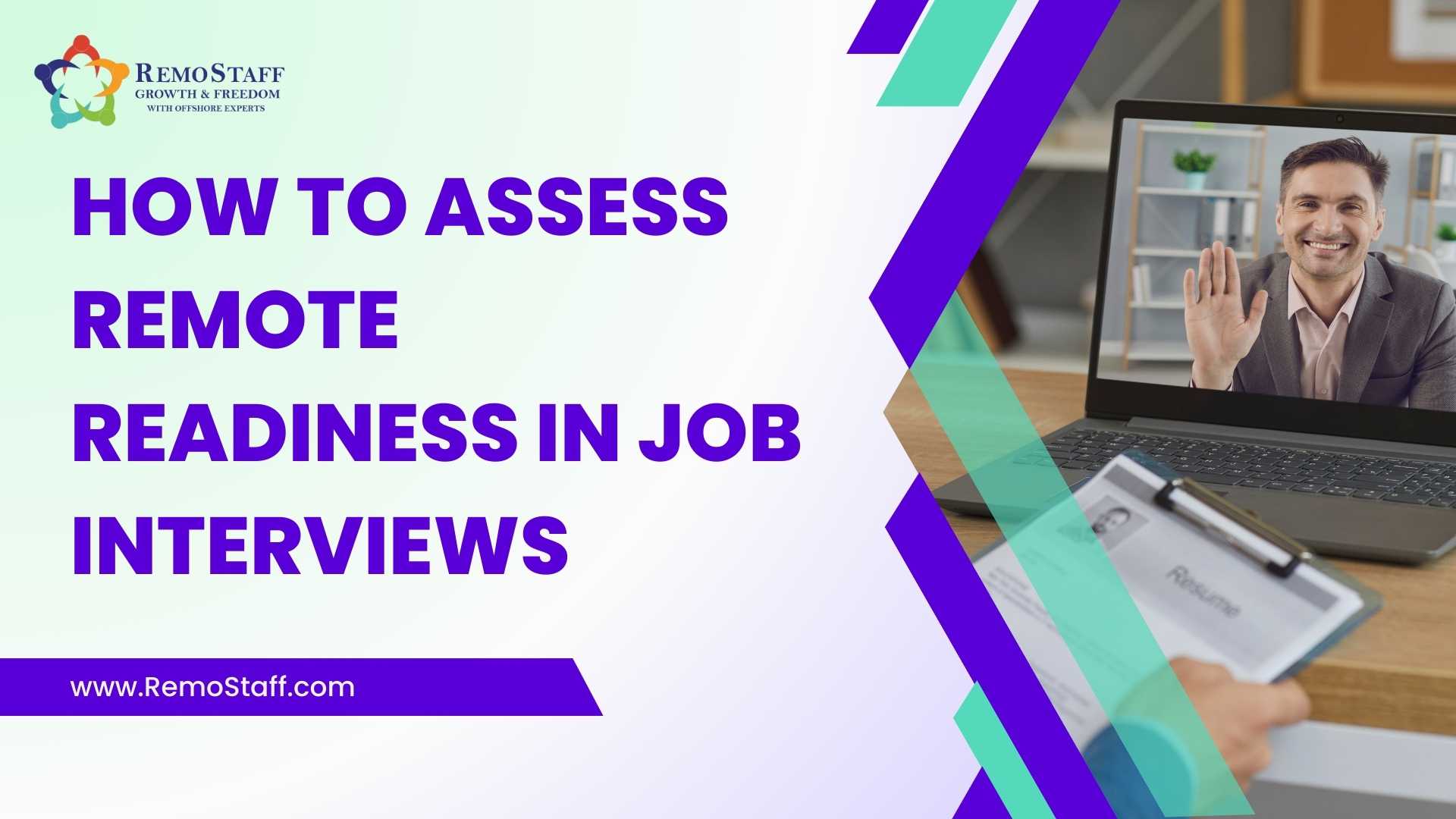
Practical tips for identifying candidates who can thrive in remote roles.
The rise of remote work has redefined hiring strategies for businesses across the globe. It’s no longer just about finding skilled professionals—it’s about ensuring they are prepared for the unique demands of working remotely. Assessing “remote readiness” during job interviews is essential to building a team that can excel in virtual environments.
If you’re wondering how to evaluate whether a candidate is suited for remote work, this guide will walk you through actionable tips and techniques to identify the right fit.
Why Remote Readiness Matters
Remote readiness goes beyond technical skills. It’s about the ability to work independently, communicate effectively, and stay motivated without the traditional office structure. Hiring someone unprepared for remote work can lead to challenges like missed deadlines, miscommunication, and reduced productivity.
To prevent this, focus on specific qualities and behavioral indicators during the interview process.
Key Steps to Assess Remote Readiness
1. Start with Scenario-Based Questions
Scenario-based questions allow you to evaluate how candidates handle situations they’re likely to encounter in a remote role.
Examples:
- “How would you prioritize tasks when managing multiple deadlines without direct supervision?”
- “What would you do if a technical issue interrupted a video meeting with a client?”
Look for answers that show resourcefulness, clear thinking, and the ability to stay calm under pressure.
2. Evaluate Communication Skills
Strong communication is critical in remote work environments, where much of the interaction happens via email, chat, or video calls.
Tips:
- During the interview, pay attention to how clearly and confidently candidates express themselves.
- Ask, “How do you ensure effective communication when working with a remote team?”
Clear, concise, and proactive communication indicates a candidate who can avoid miscommunication in virtual settings.
3. Assess Their Time Management Abilities
Remote workers must be self-disciplined and capable of managing their schedules without constant oversight.
How to Test This:
- Ask, “How do you structure your workday when working from home?”
- Consider giving candidates a practical task with a set deadline to observe how they prioritize and deliver results.
Look for candidates who mention planning tools, goal-setting, or techniques to avoid distractions.
4. Explore Their Tech Savviness
A remote employee needs to be comfortable with collaboration tools and quickly adapt to new technologies.
Questions to Ask:
- “What tools have you used for remote collaboration, and how proficient are you with them?”
- “Can you describe a time when you had to learn a new tool or software for work?”
Candidates familiar with tools like Slack, Zoom, or project management platforms like Asana or Trello will be better equipped for the role.
5. Gauge Their Self-Motivation and Independence
Remote work often requires employees to take initiative and stay focused without direct supervision.
Behavioral Questions:
- “Can you share an example of a project where you had to work independently from start to finish?”
- “What motivates you to stay productive when working remotely?”
Candidates who demonstrate accountability and self-driven behavior are more likely to succeed in a remote setup.
6. Assess Their Problem-Solving Skills
Remote workers often encounter unexpected challenges, from tech failures to sudden changes in priorities. Problem-solving is a key skill to look for.
What to Ask:
- “How do you handle unexpected challenges or roadblocks while working independently?”
- “Can you describe a time when you solved a problem without immediate support from your team?”
Look for practical, results-oriented answers that reflect adaptability and initiative.
7. Look for Cultural Fit
Even in remote roles, alignment with your company’s culture and values is crucial for long-term success.
Questions to Ask:
- “What kind of remote work culture do you thrive in?”
- “How do you stay connected with your team when working remotely?”
A strong cultural fit ensures candidates remain engaged and contribute positively to your organization.
Red Flags to Watch For
While assessing candidates, be mindful of potential warning signs, such as:
- Difficulty articulating past experiences with independent work.
- Resistance to using or learning new technology.
- Vague answers about time management or productivity habits.
The Importance of Remote-Readiness Assessments
Finding the right remote employees isn’t just about identifying their skills—it’s about understanding how they’ll adapt to the challenges of remote work. Using targeted questions and practical assessments will help you pinpoint candidates who are truly remote-ready.
Build Your Remote-Ready Team with RemoStaff
At RemoStaff, we specialize in connecting businesses with pre-vetted remote professionals who possess the skills and traits needed to thrive in a virtual environment. Whether you’re hiring for customer support, technical roles, or leadership positions, we ensure you find candidates who align with your vision and values.
Let us handle the hiring so you can focus on growing your business.
Contact Us Today!
📞 +61 439 008 107
Get in touch with us to learn how we can help you hire remote-ready employees who deliver results!


Business Process Outsourcing is a great way to cut down costs and improve productivity.


General and Admin VAs
[+][-]Digital Marketing & Other
[+][-]CSR and Reception VAs
[+][-]Industry Focused VAs
[+][-]Sales and Outreach VAs
[+][-]Website design and development by AT Digital | Copyright © 2024 All right reserved